


Rare Padmanabha Shaligram - Gandaki River and similar items
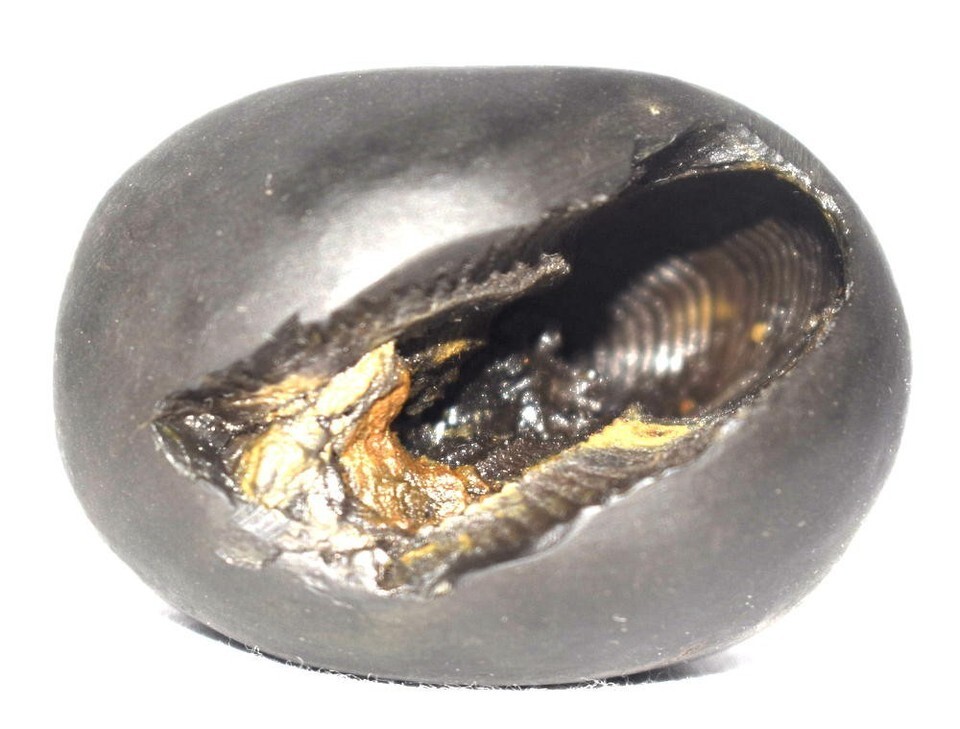
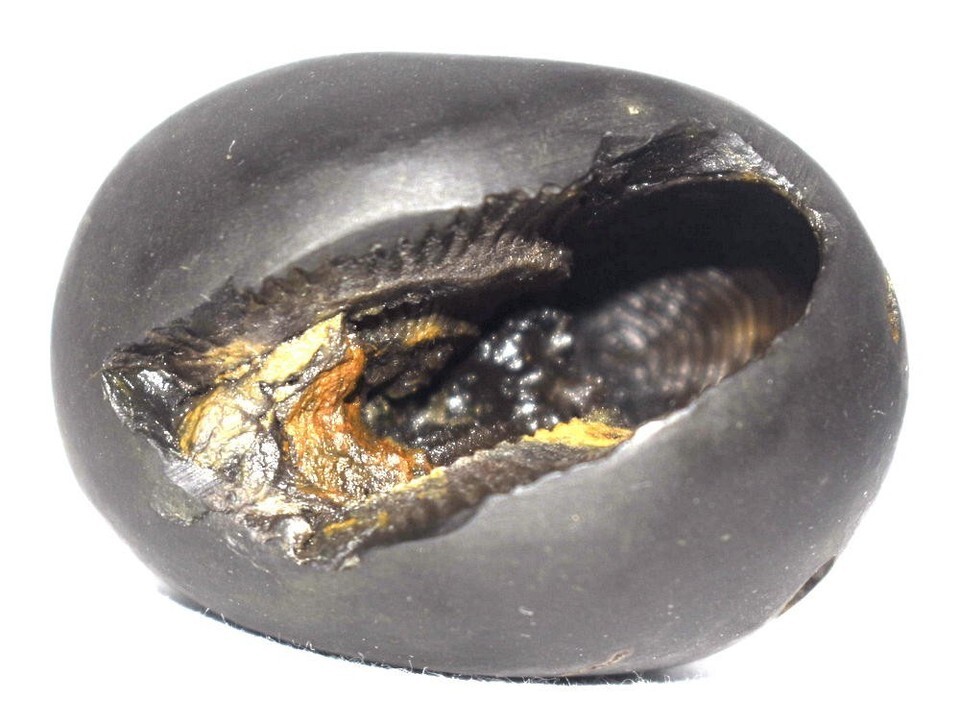
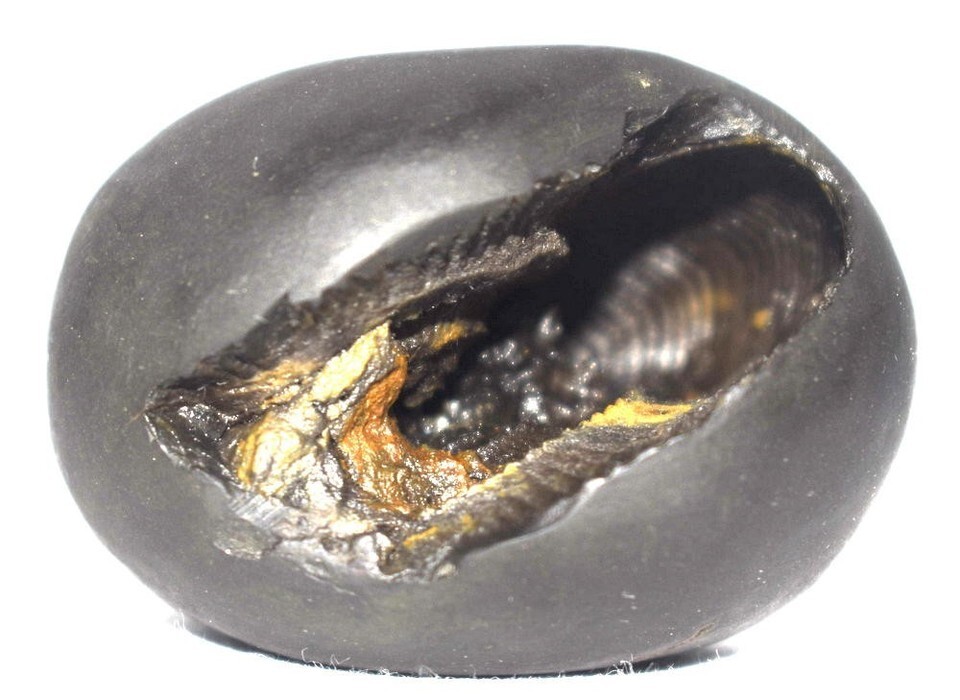
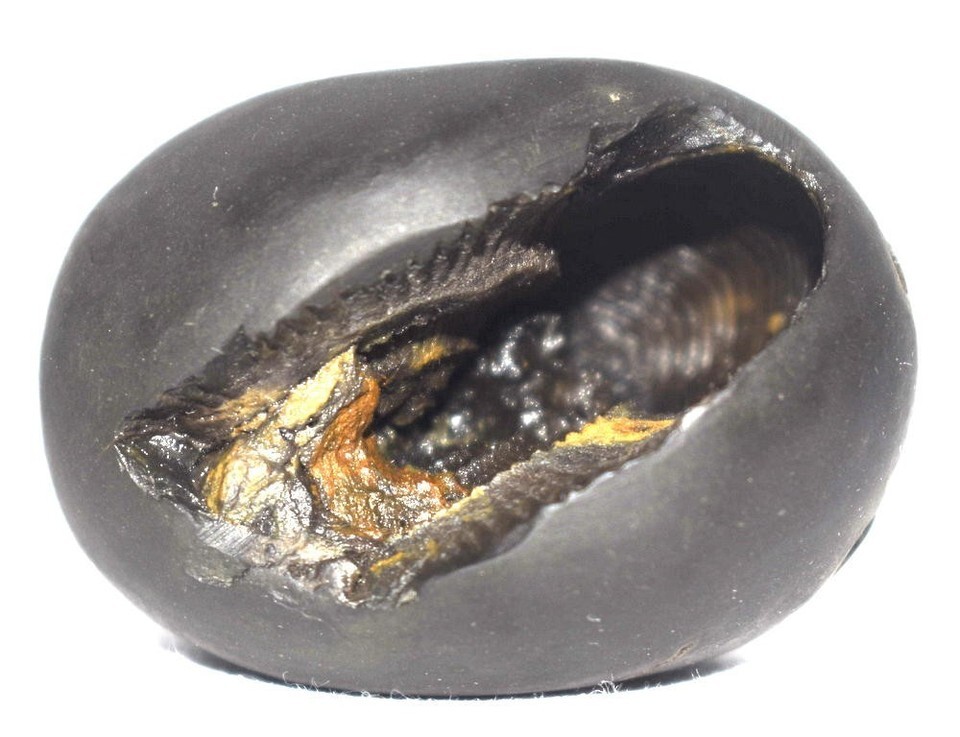
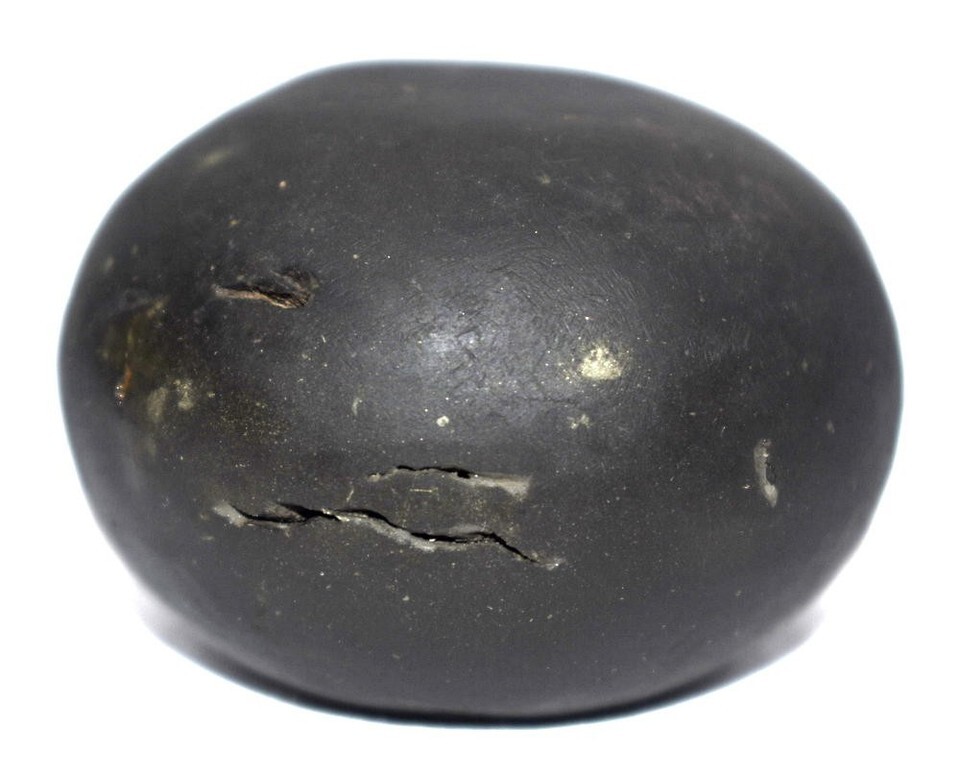
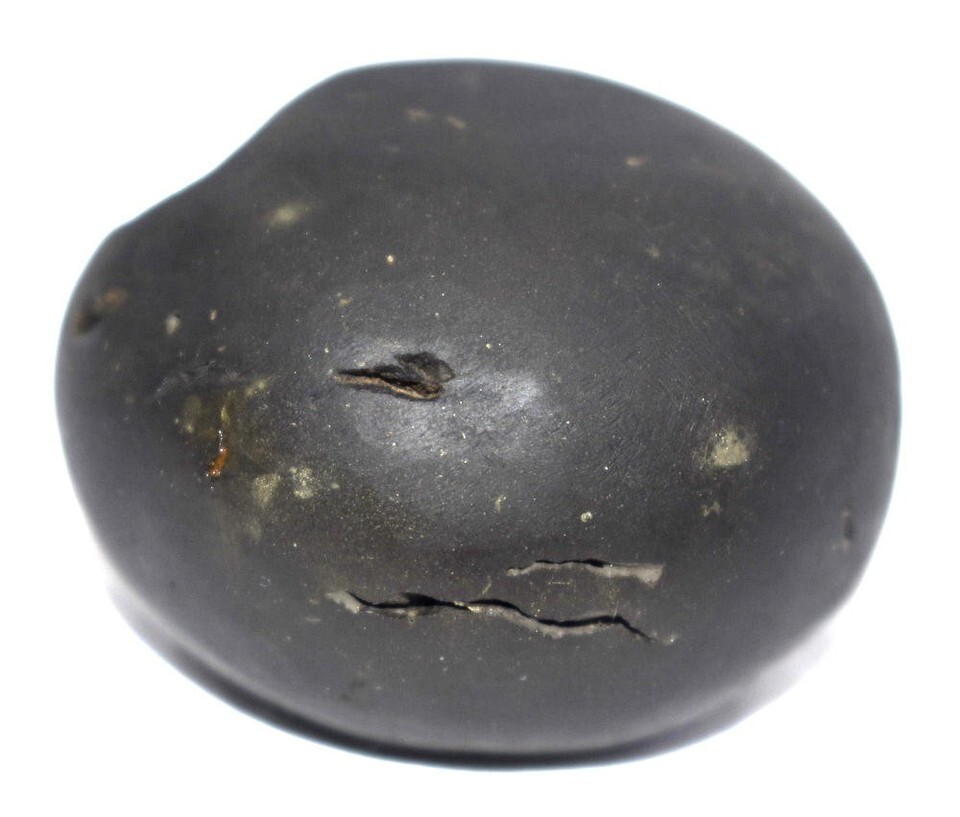
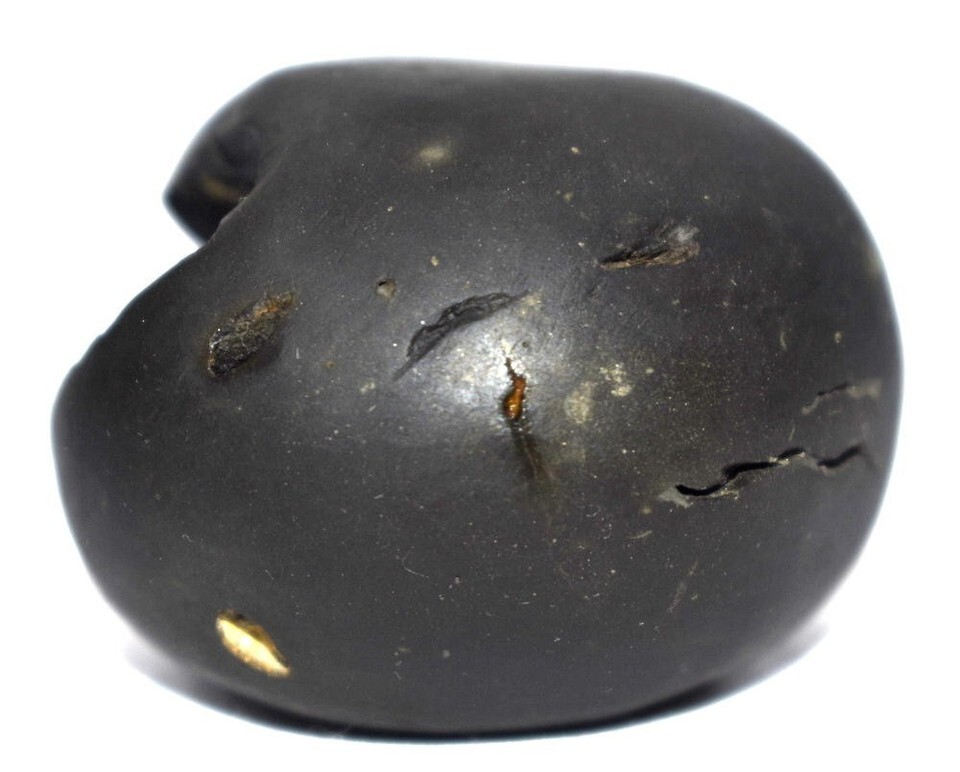
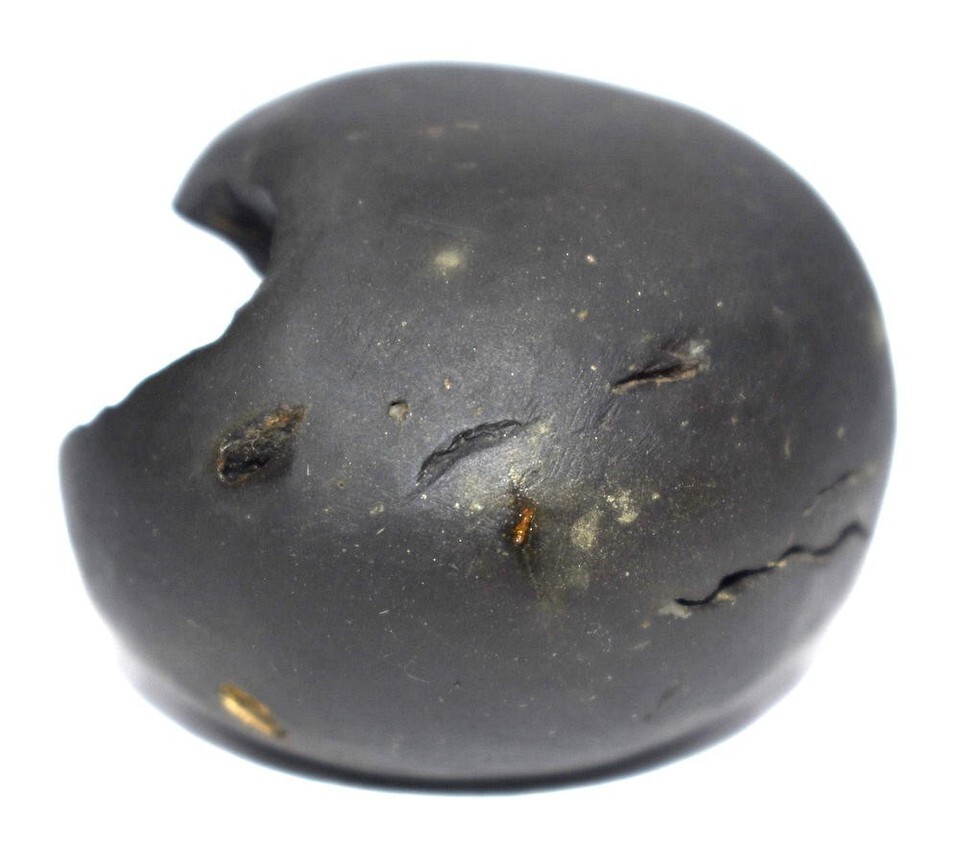
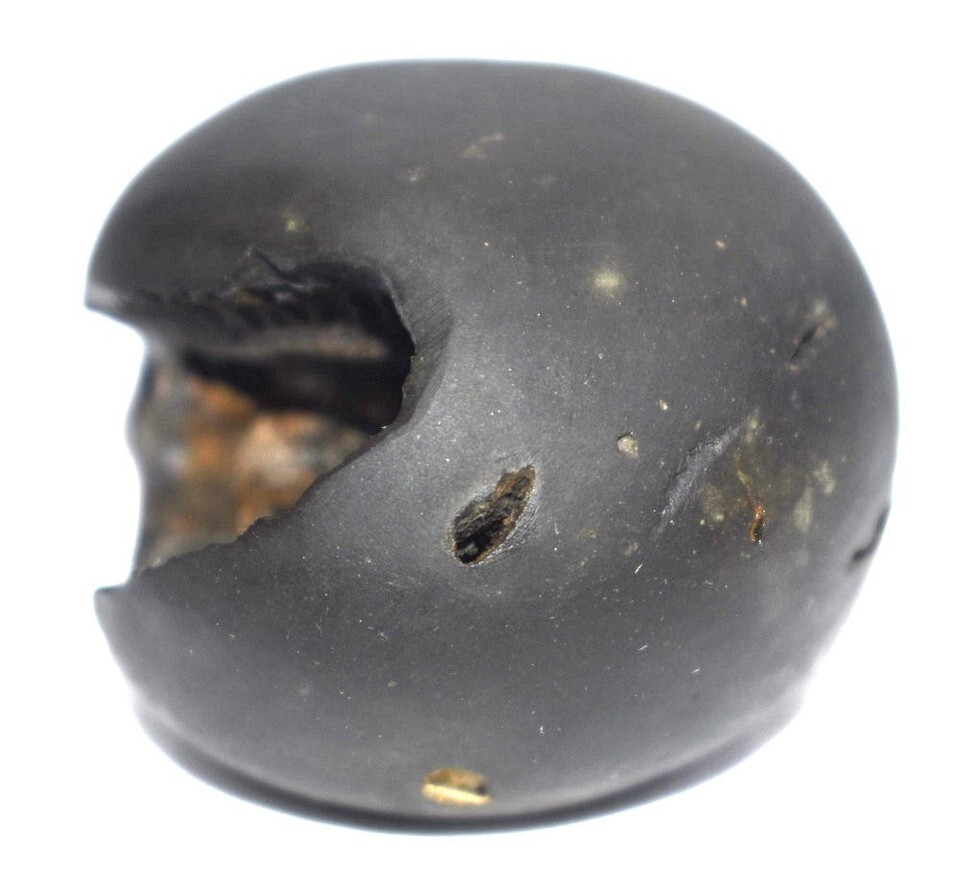
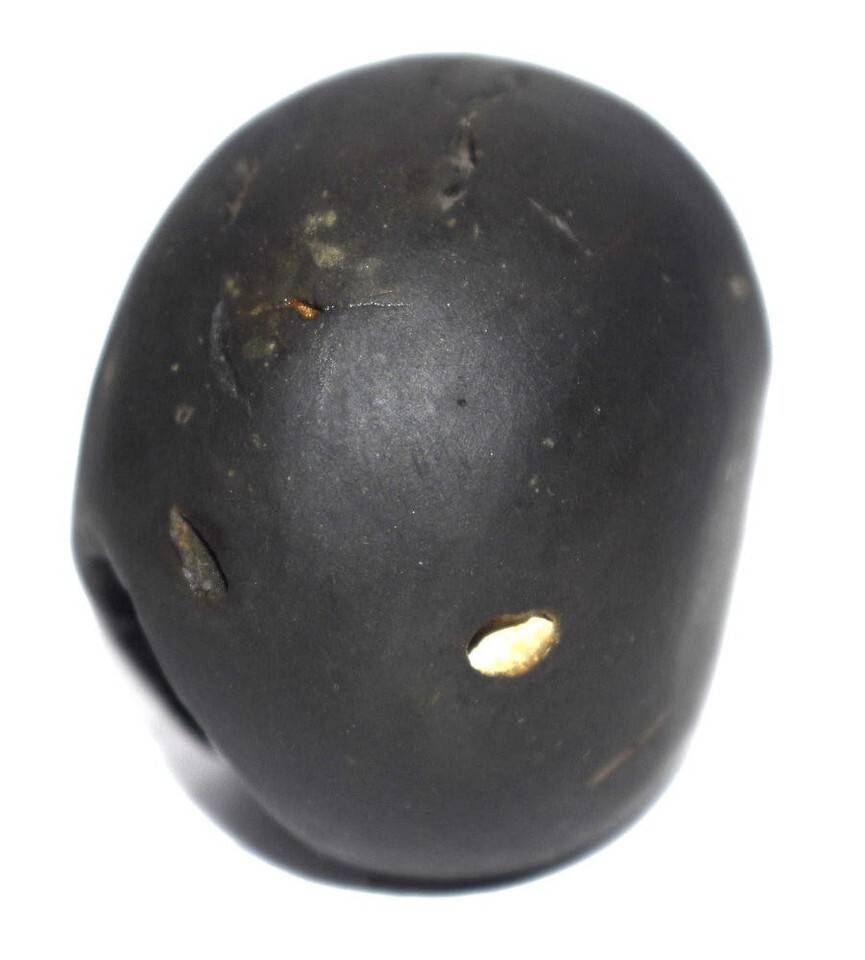
Rare Padmanabha Shaligram - Gandaki River Nepal
$186.13
(Buy a Up to 20% discount card for $20.00 first, and you will save $24.20 on this item and get up to 20% off future purchases for the next 3 months.
Unlock the discount with just a few clicks - start here)
Share & earn! Sign in, share this or any listing, and you’ll get commission when it sells.
Learn more

View full item details »

Shipping options

Offer policy
OBO - Seller accepts offers on this item.
Details
Return policy
Full refund available within 30 days
Purchase protection
Payment options
PayPal accepted
PayPal Credit accepted
Venmo accepted
PayPal, MasterCard, Visa, Discover, and American Express accepted
Maestro accepted
Amazon Pay accepted
Nuvei accepted
View full item details »
Shipping options
Offer policy
OBO - Seller accepts offers on this item.
Details
Return policy
Full refund available within 30 days
Purchase protection
Payment options
PayPal accepted
PayPal Credit accepted
Venmo accepted
PayPal, MasterCard, Visa, Discover, and American Express accepted
Maestro accepted
Amazon Pay accepted
Nuvei accepted
Item traits
| Category: |
Uncategorized |
|---|---|
| Quantity Available: |
Only one in stock, order soon |
| Condition: |
New: A brand-new, unused, unopened, undamaged item (including handmade items). See the seller's ... Read moreabout the conditionNew: A brand-new, unused, unopened, undamaged item (including handmade items). See the seller's listing for full detail... |
| Country of Origin: |
Nepal |
| Description : |
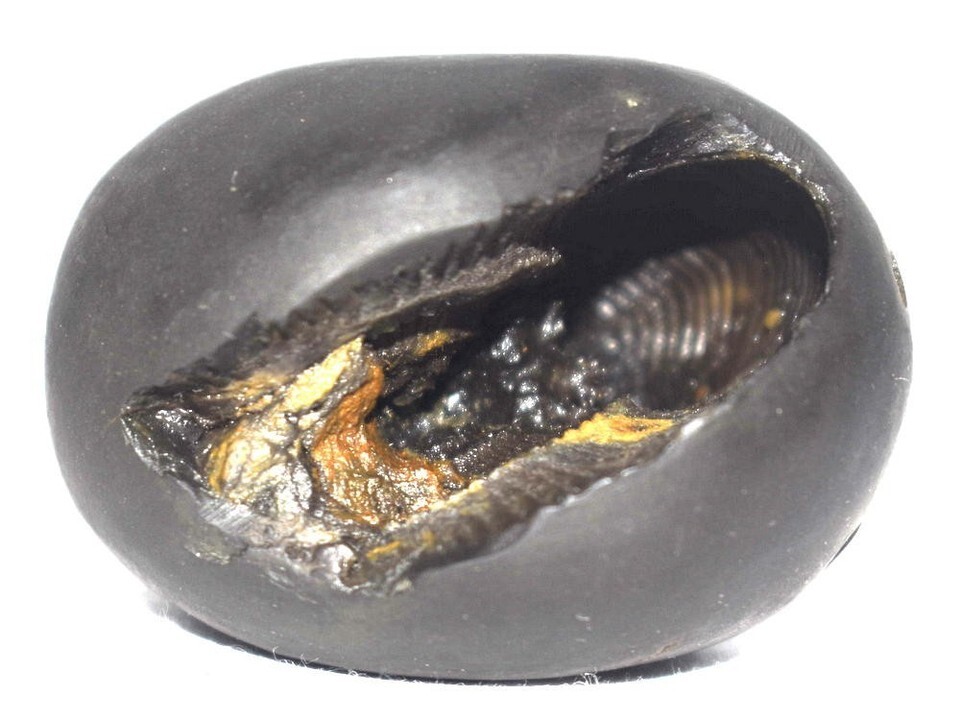
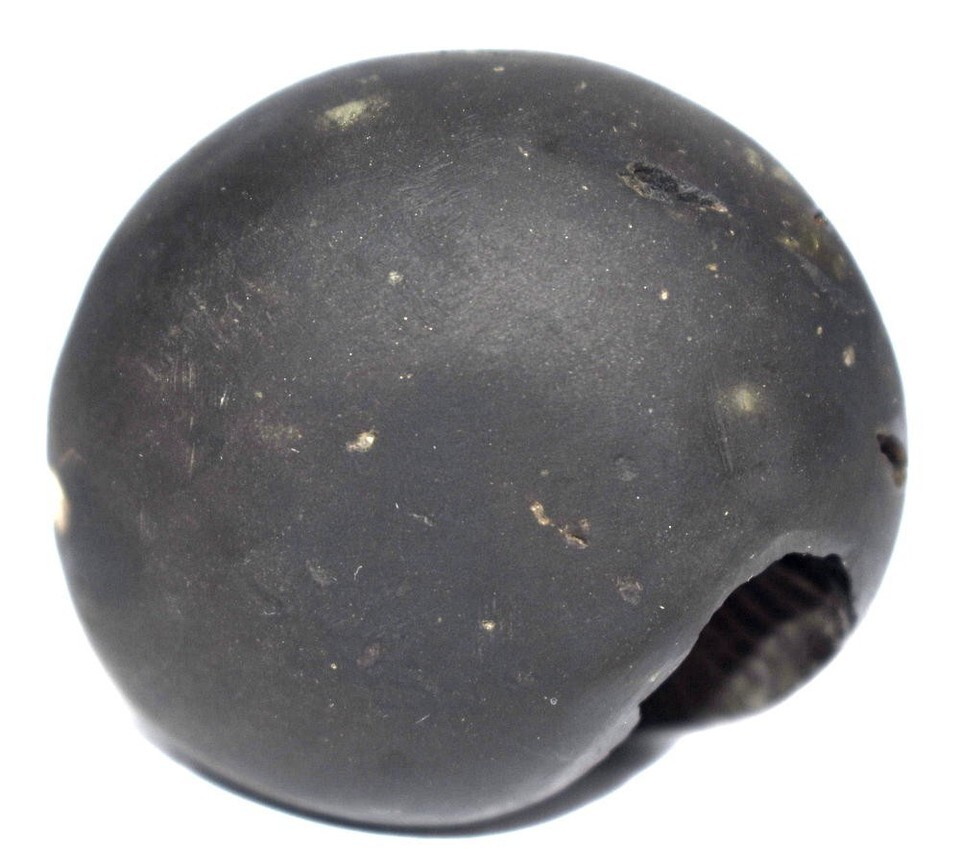
1 opening - 2 chakras, hollow , mark of snake |
| Weight : |
101 gms |
| Religion: |
Hinduism |
| Country of Manufacture: |
Nepal |
| Dimension : |
2.25 inches * 2.25 inches |
| Brand: |
Unbranded |
| MPN: |
Does not apply |
Listing details
| Shipping discount: |
No combined shipping offered |
|---|---|
| Posted for sale: |
More than a week ago |
| Item number: |
1791590282 |
Item description
Rare Padmanabha Shaligram - Gandaki River Nepal
This product data sheet is originally written in English.
Padmanabha shaligram
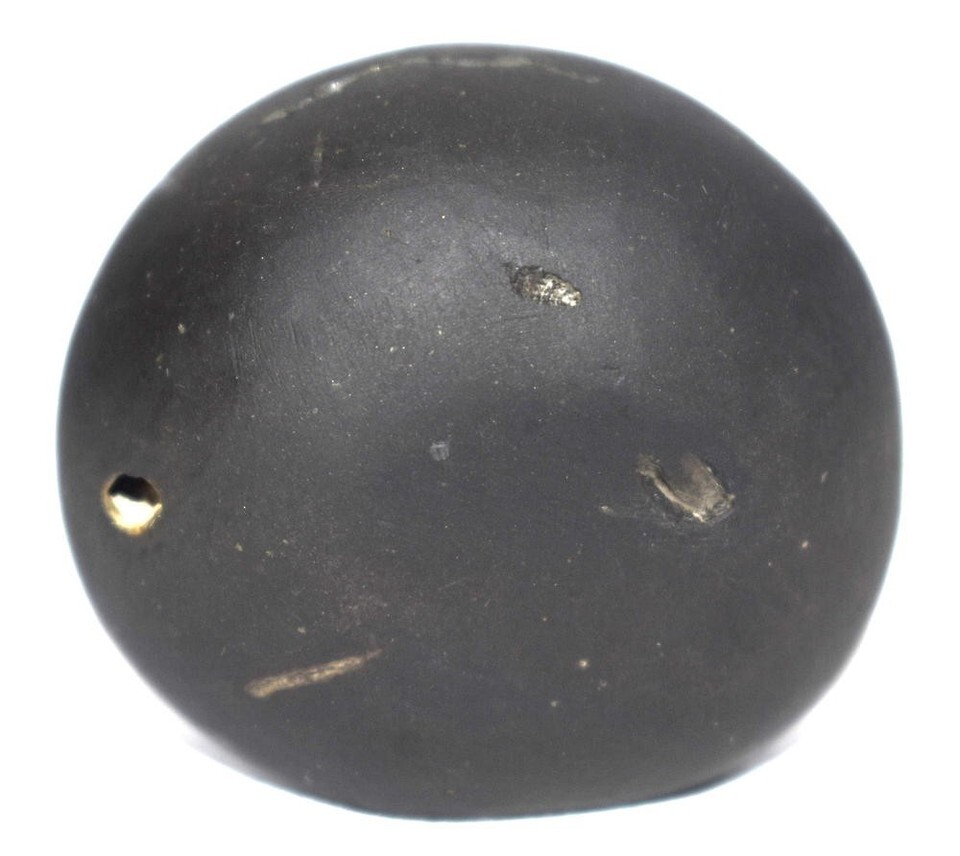
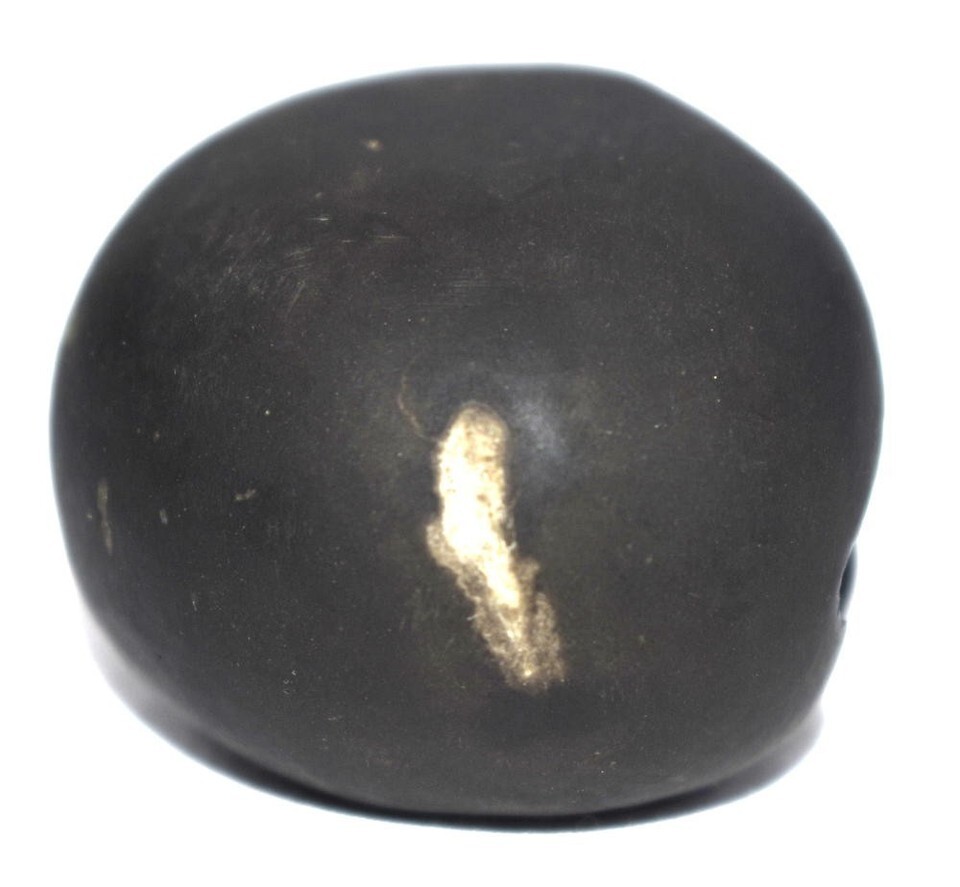
Single Big opening hollow inside having 2 clear chakras , mark of vanamala , shrivasta , snake sign , shankha sign , white color mark , golden dots
Product Name : Padmanabha Shaligram
Origin : Gandaki River Nepal
Dimension: 2.25 inches * 2.25 inches
Weight : 101 gm
Lakshan Shaloka :
padmanAbha: sthUlacakra: shuklavarNa: sushobhana:| dIrghAdvAra guhAnkastham cakram ca unnatanAbhikam| 2. vanamAlA ca kaNTe tu shrIvatsAnkashca drushyate| padmanAbhO bhaveddeva: kuryAcchatruparAjayam|| 3. lalATe sheShanAgAstu shilArdham ca sakAncanam| suvarNAbham tasya cakram sukhasoubhAgyavardhanam || mukhe sUkShmam madhyasUkShmam anta: sUkShmam ca drushyate||
Meaning :
Shaligram having white colored; big chakras; wide vadana; hollow inside; vanamala; shrivatsa sign; snake sign; narrow body; golden hue; 1 opening ? 2 chakras is known as ?Padmanabha Shaligram? .
Description :
Padmanaabhah ? One from whose navel springs the Lotus, which is the seat of the four-faced Creator, Brahmaaji. Lotus in Hinduism represents the set of either Truth or any of Its manifested powers. The creative faculties in man flow from the navel area (center), and manifests as the ?four-faced? inner equipment (Antahkarana) constituted of the mind, intellect, Chit and ego. In the Yoga-sastras, we find a lot of details regarding this concept. According to them every ?idea? springs from Him (Paraa), and then at the navel area, each of them comes to be ?perceived? (Pasyantee). Thereafter they play in the bosom as thoughts (Madhayamaa), and at last they are expressed (Vaikharee) in the outer fields-of-activity. In this discussion-upon the evolutionary stages through which every ?idea? becomes an ?action? , we gather a clearer insight into the meaning of the symbolism of ? the Creator seated on the lotus?, which springs forth from the navel of the Lord, the Supreme Vishnu. Padmanabha One who has the lotus in his navel?. This is not to be taken literally. Navel (Naabhi) is the psychic centre where all un-manifest thoughts first spring forth into our recognition (Pasyantee). It can also mean ?One who manifests Himself in the lotus of the heart of his devotee. Some translate as ?He who is seated in the pericarp of the lotus.?Padmanabha Shila is one of the most powerful Shila amongst all Shilas and the Shila is extremely rare also. This Shila has Shesha on the extreme periphery which resembles Kalp Vriksha and then at the extreme periphery is markings of Laxmi. At the centre of the Shila is presence of Lord Vishnu and Brahma. The devotee is blessed with immense fortune because of the presence of Laxmi and extreme protection because of the presence of Lord Vishnu Himself. Brahma gives the devotee wit and intelligence. This Shila is very exotic, powerful, extremely attractive, brilliant, auspicious, emits very high radiance and has an extra ordinarily high energy levels. This Shila has very sharp and perfect impressions of Padmanaba. This Padmanabha is a very powerful Shila and have all required markings of Shesha, Lord Vishnu, Barahma and Laxmi. Padmanabha is that form where from Ananta has the Brahma emerging out from the naval of the Lord Vishnu. Padmanabha Shila bestows the devotee in multiplying the assets, diversity in functioning, and creation of wealth through innovation, national and international fame through honesty and professionalism and tremendous success. The Shila is extremely smooth, perfectly shaped, lustrous, small sized, cold to touch, has flawless impressions.
Padmanaabhah ? One from whose navel springs the Lotus, which is the seat of the four-faced Creator, Brahmaaji. Lotus in Hinduism represents the set of either Truth or any of Its manifested powers. The creative faculties in man flow from the navel area (center), and manifests as the ?four-faced? inner equipment (Antahkarana) constituted of the mind, intellect, Chit and ego. In the Yoga-sastras, we find a lot of details regarding this concept. According to them every ?idea? springs from Him (Paraa), and then at the navel area, each of them comes to be ?perceived? (Pasyantee). Thereafter they play in the bosom as thoughts (Madhayamaa), and at last they are expressed (Vaikharee) in the outer fields-of-activity. In this discussion-upon the evolutionary stages through which every ?idea? becomes
Loading

This item has been added to your cart
 Rare Padmanabha Shaligram - Gandaki River Nepal added to cart.
Only one available in stock
Rare Padmanabha Shaligram - Gandaki River Nepal added to cart.
Only one available in stock
View Cart or continue shopping.
 Please wait while we finish adding this item to your cart.
Get an item reminder
We'll email you a link to your item now and follow up with a single reminder (if you'd like one). That's it! No spam, no hassle.
Already have an account?
Log in and add this item to your wish list.


