


10 Seeds of Sugarberry Tree (Celtis and similar items
Free Shipping
10 Seeds of Sugarberry Tree (Celtis laevigata) – First Year Fruit
$12.99
(It may be possible to pay only $11.30 instead of $12.99 when you
use your bCredits at checkout)
Sign up and get $5.00 bCredits free to use at checkout and another $5.00 bCredits when you make your first purchase. More info
Share & earn! Sign in, share this or any listing, and you’ll get commission when it sells.
Learn more

View full item details »

Shipping options
Estimated to arrive by Wed, Apr 15th.
Details
FREE via Standard shipping (1 to 5 business days) to United States
Return policy
None: All purchases final
Purchase protection
Catalog info
Payment options
PayPal accepted
PayPal Credit accepted
Venmo accepted
PayPal, MasterCard, Visa, Discover, and American Express accepted
Maestro accepted
Amazon Pay accepted
Nuvei accepted
View full item details »
Shipping options
Estimated to arrive by Wed, Apr 15th.
Details
FREE via Standard shipping (1 to 5 business days) to United States
Return policy
None: All purchases final
Purchase protection
Catalog info
Payment options
PayPal accepted
PayPal Credit accepted
Venmo accepted
PayPal, MasterCard, Visa, Discover, and American Express accepted
Maestro accepted
Amazon Pay accepted
Nuvei accepted
Item traits
| Category: | |
|---|---|
| Quantity Available: |
10 in stock |
| Condition: |
New |
| UPC: |
604921018863 |
| Country/Region of Manufacture: |
United States |
| Brand: |
Unbranded |
Listing details
| Seller policies: | |
|---|---|
| Shipping discount: |
Seller pays shipping for this item. |
| Posted for sale: |
More than a week ago |
| Item number: |
1719090058 |
Item description
10 Seeds of Sugarberry Tree (Celtis laevigata) – First Year Fruit
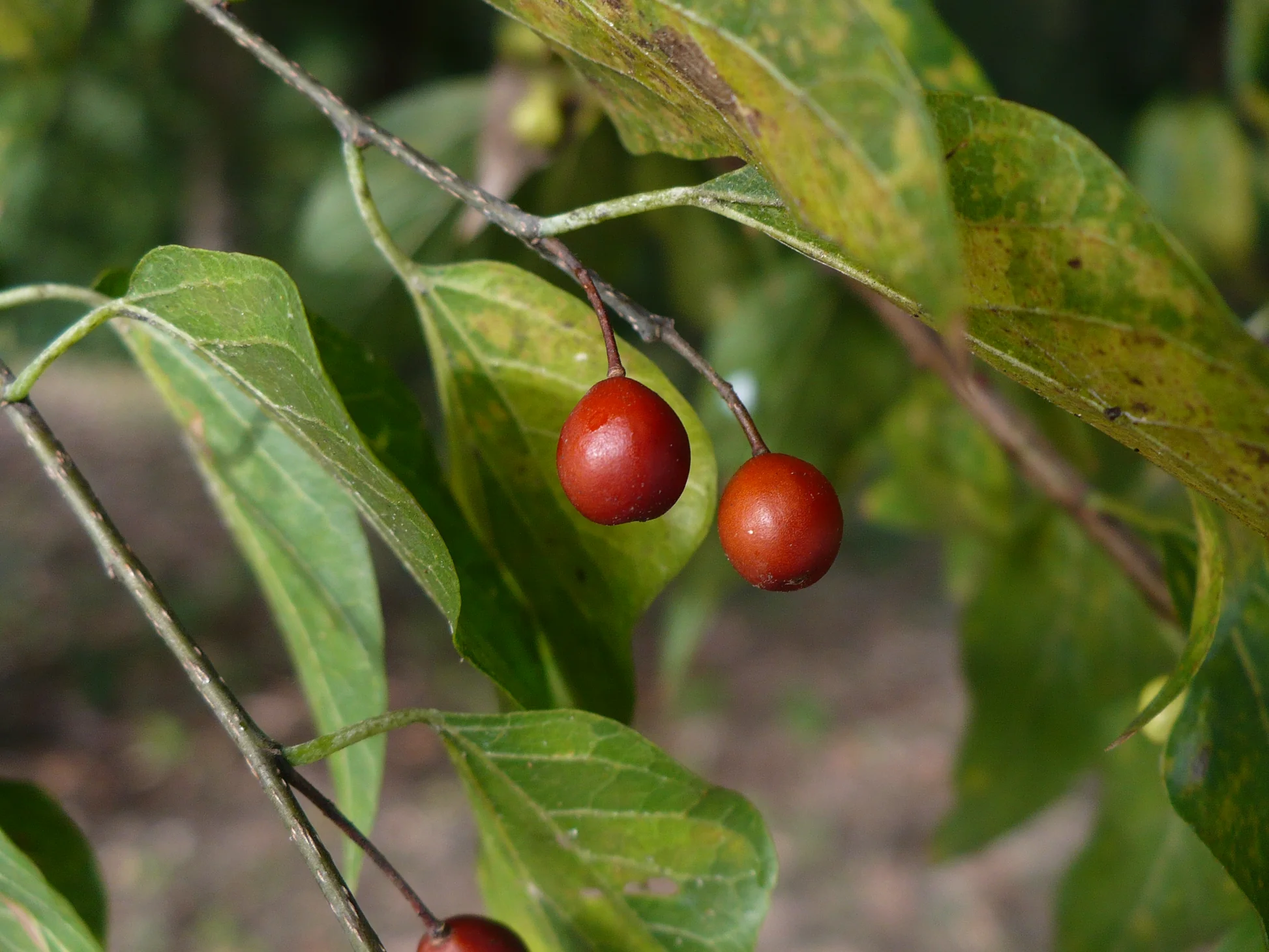
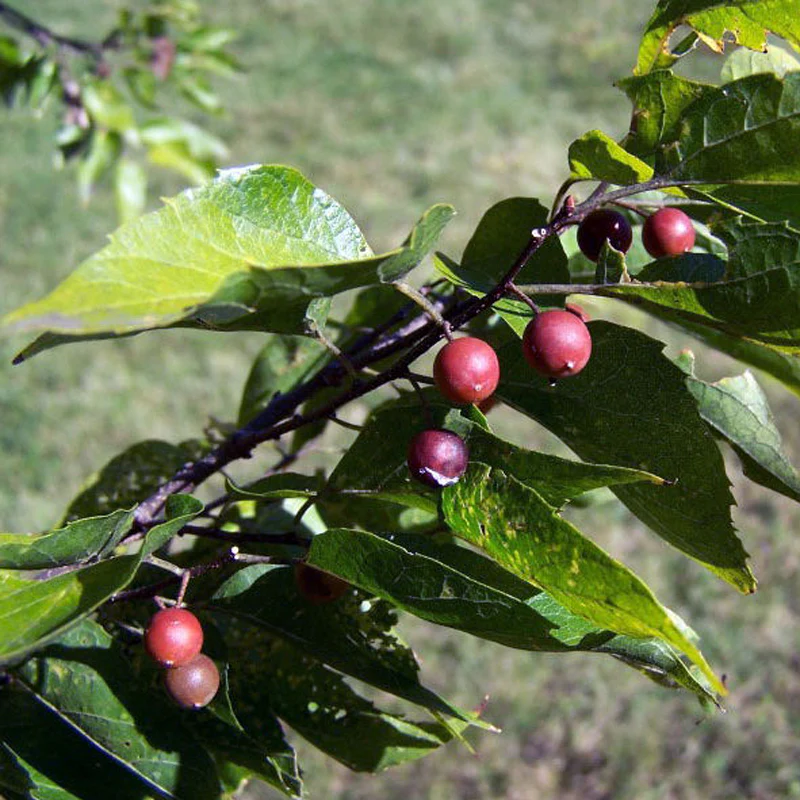
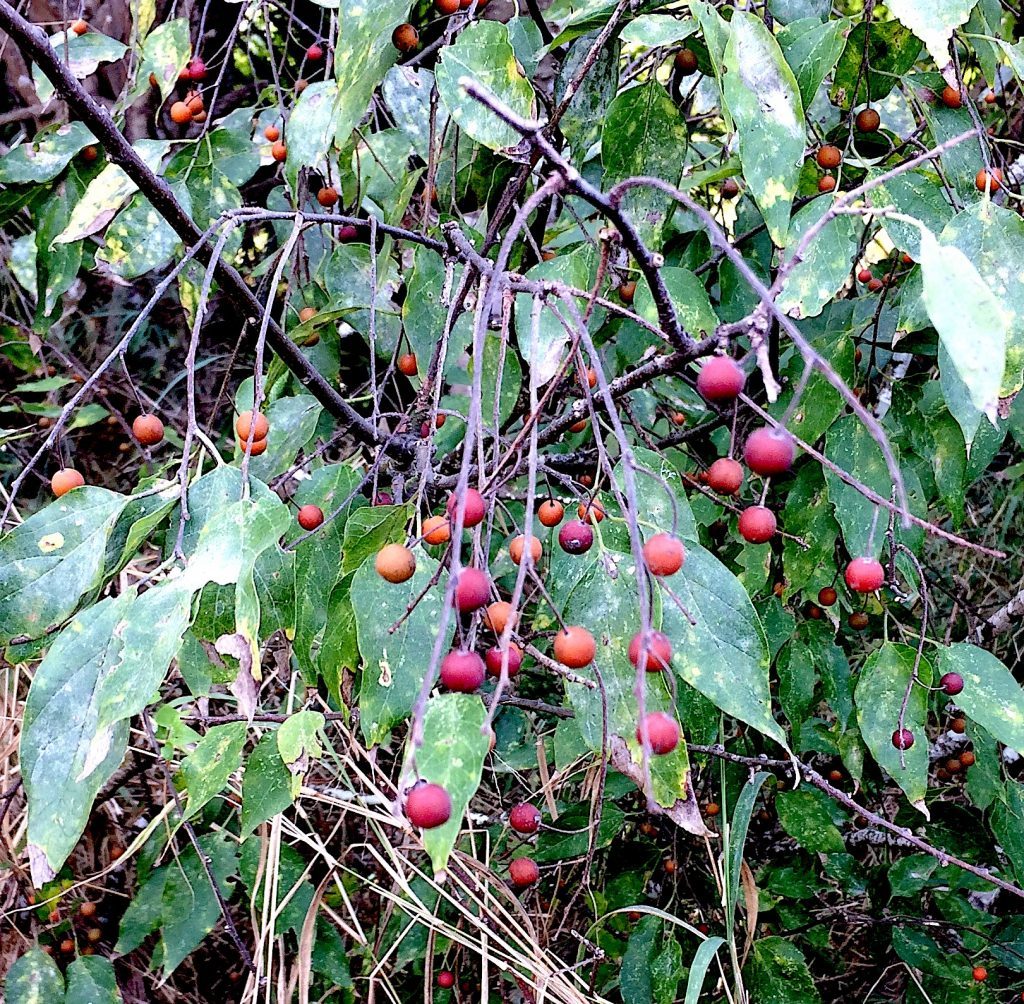
The Sugarberry Tree (Celtis laevigata) is a beautiful, fast-growing deciduous tree native to North America, particularly found in the coastal and eastern Piedmont regions of North Carolina, often near stream banks ?. With its impressive height of 50-70 feet and a slightly narrower canopy, it offers a splendid rounded vase-shaped crown that makes it an ideal choice for providing ample shade in your yard or garden ??. This tree is especially valued for its ability to thrive in urban environments as it resists pollution, making it perfect for cities ?.
One of the standout features of the Sugarberry Tree is its vibrant fruit, which ripens into stunning red or purple hues ?. These fruits are a favorite of many birds and mammals, making your garden a lively and colorful wildlife haven ???. In areas with USDA Hardiness Zones 8 and lower, the tree also produces beautiful yellow fall foliage ?, adding seasonal charm to your landscape. The distinctive warty bark and fruit provide winter interest, ensuring that your garden stays captivating throughout the year ??.
The Sugarberry thrives in moist, well-drained sandy or clay loam soil and prefers full sun to partial shade ????. It is a tough tree that can tolerate a variety of conditions, including salt, mild acidity to slightly alkaline pH, periodic flooding, and even drought once established ???. Its resistance to soil compaction makes it ideal for urban settings such as parking lot islands and medians, adding beauty and functionality to these often underutilized spaces ?. Whether you are looking to enhance your home garden or naturalized area, the Sugarberry offers a versatile and resilient choice.
If you prefer a smaller shrub-like tree, you can prune the Sugarberry to maintain a manageable size by cutting it back to the ground every 2-3 years ?. This tree is also resistant to witches' broom, a common fungal issue, making it relatively low-maintenance ?.
As for its fruit, the Sugarberry is not just beautiful—it’s also sweet and nutritious! ? Native American tribes, including the Comanche, utilized this tree for sustenance by mashing the fruit into a pulp, mixing it with animal fat, and roasting it in the fire ?. The resulting fruit balls were an excellent food source with a long shelf life, providing a nutritious reserve for the winter months ??.
Germinating Sugarberry seeds is straightforward. With a high percentage of sound seeds, it’s easy to grow. Stratify the seeds for 3 to 4 months in cold and moist conditions to ensure consistent germination in the first year. Some seeds may take longer to sprout but will eventually germinate. You can plant untreated seeds in the fall or sow stratified seeds in the spring ?. Plant the seeds in prepared beds, to 1 inch deep, and mulch for weed control while protecting from rodents ?. The seedlings grow rapidly, reaching 12 to 18 inches in height during the first season under ideal conditions ?.
Bring this beautiful, versatile, and wildlife-friendly tree into your garden today! ??
Loading

This item has been added to your cart
 10 Seeds of Sugarberry Tree (Celtis laevigata) – First Year Fruit added to cart.
10 available in stock
10 Seeds of Sugarberry Tree (Celtis laevigata) – First Year Fruit added to cart.
10 available in stock
View Cart or continue shopping.
 Please wait while we finish adding this item to your cart.
Get an item reminder
We'll email you a link to your item now and follow up with a single reminder (if you'd like one). That's it! No spam, no hassle.
Already have an account?
Log in and add this item to your wish list.


