


. Selected Essays of Ralph Waldo Emerson: and similar items
Free Shipping
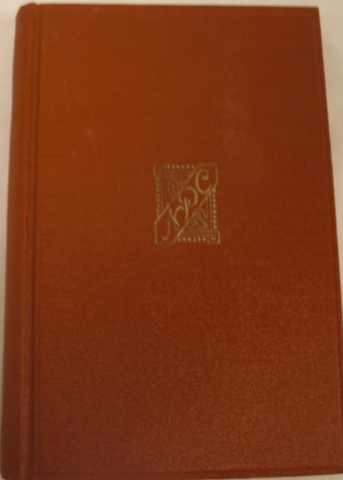
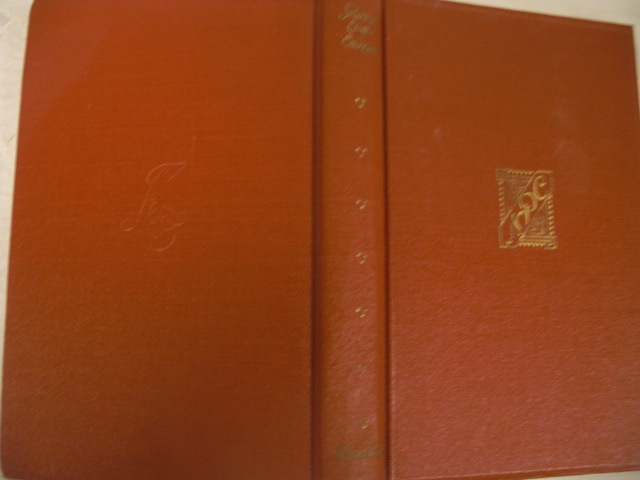
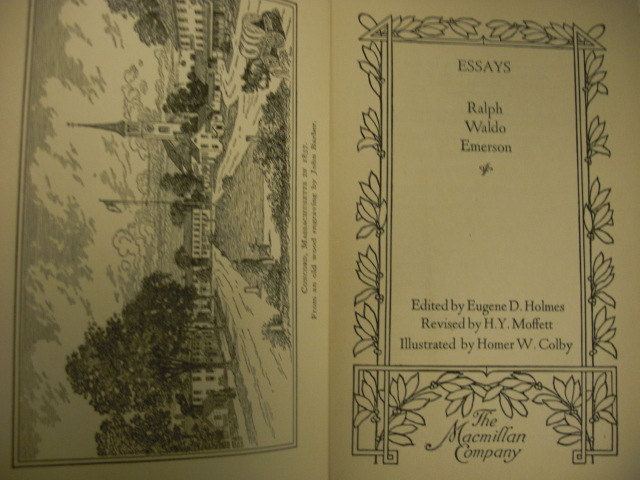
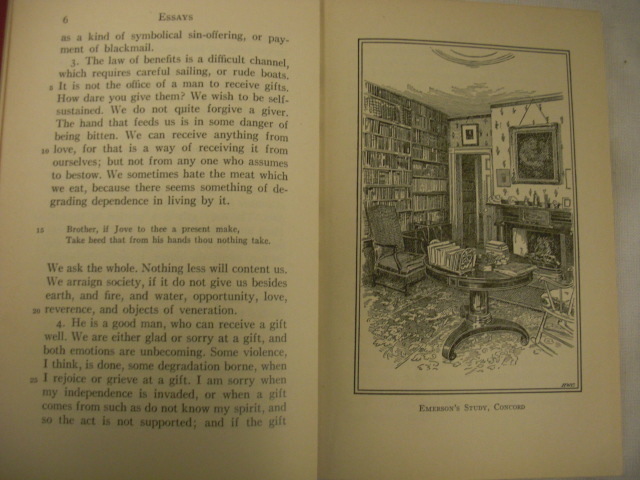
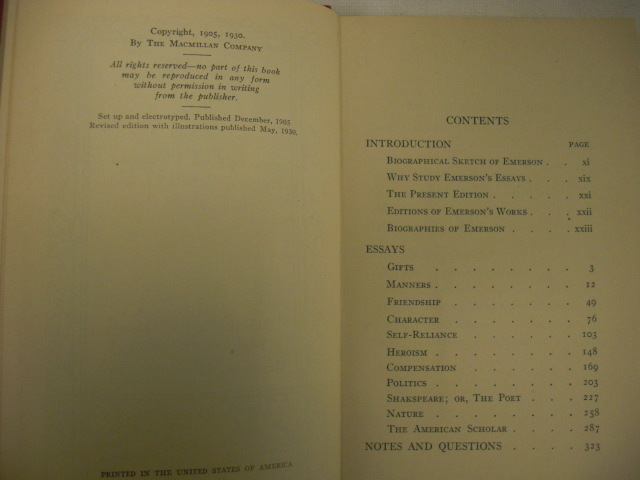
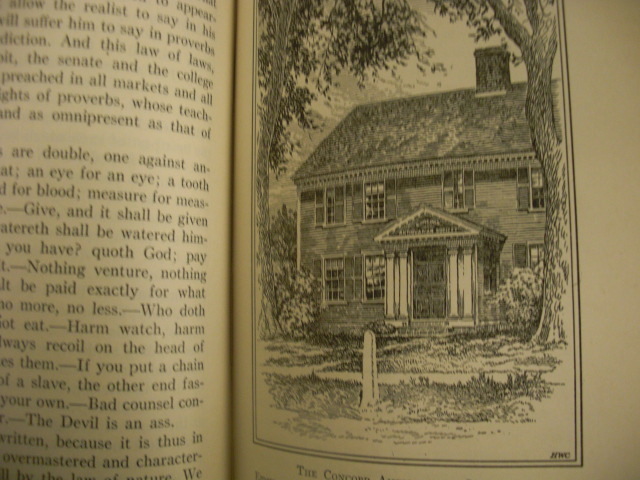
. Selected Essays of Ralph Waldo Emerson: Edited by Eugene D. Holmes, revised b
$55.00
Sign up and get $5.00 bCredits free to use at checkout and another $5.00 bCredits when you make your first purchase. More info
Share & earn! Sign in, share this or any listing, and you’ll get commission when it sells.
Learn more

View full item details »

Shipping options
Estimated to arrive by Tue, Apr 14th.
Details
FREE via USPS Ground Advantage (1 to 10 business days) to United States
Return policy
Purchase protection
Payment options
PayPal accepted
PayPal Credit accepted
Venmo accepted
PayPal, MasterCard, Visa, Discover, and American Express accepted
Maestro accepted
Amazon Pay accepted
Nuvei accepted
View full item details »
Shipping options
Estimated to arrive by Tue, Apr 14th.
Details
FREE via USPS Ground Advantage (1 to 10 business days) to United States
Return policy
Purchase protection
Payment options
PayPal accepted
PayPal Credit accepted
Venmo accepted
PayPal, MasterCard, Visa, Discover, and American Express accepted
Maestro accepted
Amazon Pay accepted
Nuvei accepted
Item traits
| Category: | |
|---|---|
| Quantity Available: |
Only one in stock, order soon |
| Condition: |
Like New |
| Special Attributes: |
Illustrated |
| Author: |
Ralph Waldo Emerson |
| Language: |
English |
| Topic: |
Romance Historical |
| Format: |
Hardcover |
| Publication Year: |
1930 |
| Country/Region of Manufacture: |
United States |
Listing details
| Shipping discount: |
Seller pays shipping for this item. |
|---|---|
| Price discount: |
10% off w/ $100.00 spent |
| Posted for sale: |
More than a week ago |
| Item number: |
1254035690 |
Item description
Ralph Waldo Emerson believed that an appreciation of its vast natural resources would become the foundation of American culture. His assertion that human thought and actions proceed from nature, was a radical departure from the traditional European emphasis on domesticating nature to suit human needs. His philosophy is rich in common natural scenes of daily life, and expresses the inherent harmony between man and nature. This collection brings together 15 of Emerson's most significant essays, including "Nature", "The American Scholar", "Self-reliance" and "The Transcendentalist", as well as his assessments of Montaigne, Napoleon and Thoreau.
n 1803, Ralph Waldo Emerson was born in Boston. Educated at Harvard and the Cambridge Divinity School, he became a Unitarian minister in 1826 at the Second Church Unitarian. The congregation, with Christian overtones, issued communion, something Emerson refused to do. "Really, it is beyond my comprehension," Emerson once said, when asked by a seminary professor whether he believed in God. (Quoted in 2,000 Years of Freethought edited by Jim Haught.) By 1832, after the untimely death of his first wife, Emerson cut loose from Unitarianism. During a year-long trip to Europe, Emerson became acquainted with such intelligentsia as British writer Thomas Carlyle, and poets Wordsworth and Coleridge. He returned to the United States in 1833, to a life as poet, writer and lecturer. Emerson inspired Transcendentalism, although never adopting the label himself. He rejected traditional ideas of deity in favor of an "Over-Soul" or "Form of Good," ideas which were considered highly heretical. His books include Nature (1836), The American Scholar (1837), Divinity School Address (1838), Essays, 2 vol. (1841, 1844), Nature, Addresses and Lectures (1849), and three volumes of poetry. Margaret Fuller became one of his "disciples," as did Henry David Thoreau.
Loading

This item has been added to your cart
 . Selected Essays of Ralph Waldo Emerson: Edited by Eugene D. Holmes, revised b added to cart.
Only one available in stock
. Selected Essays of Ralph Waldo Emerson: Edited by Eugene D. Holmes, revised b added to cart.
Only one available in stock
View Cart or continue shopping.
 Please wait while we finish adding this item to your cart.
Get an item reminder
We'll email you a link to your item now and follow up with a single reminder (if you'd like one). That's it! No spam, no hassle.
Already have an account?
Log in and add this item to your wish list.


